Extensive Construction Offerings for All Type of Project
Extensive construction services are crucial for the successful management of any construction initiative. They facilitate smooth coordination across all steps, guaranteeing effective dialogue and collaboration among teams. This strategy not only minimizes setbacks but also improves compliance with budgets and timelines. As stakeholders seek higher quality outcomes, understanding the different solutions available becomes increasingly critical. What particular factors support a project's success, and how can they be successfully executed?
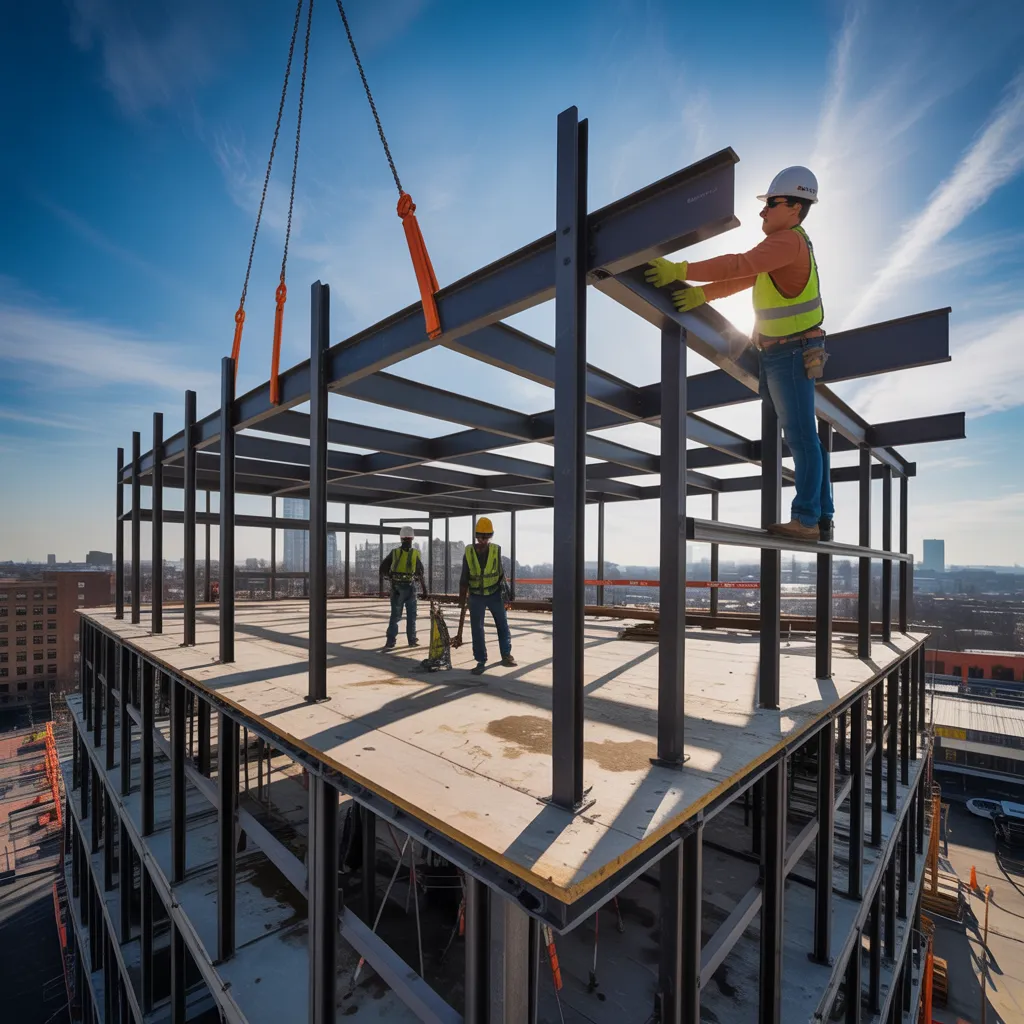
Why Full-Service Construction Support Are Crucial
Complete construction services are crucial because they refine the building process, guaranteeing that all project phases are integrated effectively. These services encompass a spectrum of operations, involving planning, design, and execution, which advance the project achievement of your project. By coordinating multiple stakeholders and materials, extensive construction services minimize the chance of misunderstandings and delays.
In addition, they advance dedication to timelines and budgets, handling potential issues with foresight. This extent of organization encourages a collaborative environment, facilitating stakeholders to express themselves openly and efficiently.
Additionally, extensive services guarantee compliance with local regulations and safety standards, reducing risks connected with construction activities. Overall, the integration of thorough construction services improves project quality, leading in durable and sustainable outcomes. In an industry where precision matters, such services provide the necessary framework for achieving client satisfaction and meeting project goals.
Essential Construction Services for Homeowners
Homeowners wanting to improve their living spaces can reap significant benefits from crucial construction services designed for their specific needs. These services cover a selection of offerings, comprising remodeling, renovations, and repairs, which enable homeowners to transform outdated areas into modern, functional spaces. Kitchen and bathroom remodels often generate considerable returns on investment, boosting both aesthetics and utility.
Additionally, outside services including roof and siding repairs guarantee the home continues to be protected and attractive. Landscaping and outdoor improvements generate welcoming environments for entertainment and relaxation.
Homeowners can benefit from energy-efficient upgrades, which lower utility costs while fostering sustainability. By hiring experienced contractors, homeowners can navigate the complexities of construction projects with ease, guaranteeing adherence to local regulations and timelines. Overall, these essential services strengthen homeowners to realize their visions, ultimately enhancing property value and quality of life.
Key Services for Commercial Construction
The commercial construction industry relies upon skilled project handling and dependable supplier selection as important drivers. These offerings guarantee that projects are completed on time and within budget while maintaining high standards. Appreciating their worth can lead to more successful construction outcomes.
Project Direction Capability
During the traversal of commercial construction challenges, proficient project management knowledge becomes vital to confirm on-time completion and fiscal responsibility. Experienced project leaders serve a key function in supervising different aspects of a construction project, including time planning, workforce and materials organization, and information exchange with all parties involved. They deploy cutting-edge approaches to address risks and adjust quickly to surprising difficulties, keeping projects moving forward. Through utilizing modern tools and analytical insights, project managers can bolster strategic choices, enhancing operational efficiency and output. Additionally, their capacity to build collaboration among contractors, architects, and clients is important for synchronizing visions and achieving project goals. In essence, excellent project management knowledge functions as the backbone of prosperous commercial construction endeavors, propelling projects from initial concept to final delivery with precision.
Excellent Material Sourcing
Quality material procurement is a critical element in the landscape of commercial construction, directly influencing project longevity and overall success. Effective sourcing involves selecting premium materials that meet specific project requirements while adhering to budget constraints. This process often demands building strong relationships with reliable suppliers to guarantee timely delivery and consistency in quality. Additionally, understanding local regulations and sustainability practices plays an essential role in sourcing decisions. By prioritizing quality materials, construction firms can enhance building strength and reduce ongoing maintenance costs. Ultimately, a focus on quality material sourcing not only supports a project's immediate goals but also contributes to its durability and resilience in a competitive market.
Selecting the Best Construction Services for Your Project?
When selecting construction services, it is vital to define project requirements clearly to guarantee conformity with goals. Examining the expertise of potential service providers further enhances the likelihood of a successful outcome. Careful consideration of these factors can yield a more productive and streamlined building process.
Establish Project Parameters in Clear Terms
Properly defining project requirements is critical for selecting the most fitting building solutions. This entails specifying particular goals, schedules, cost estimates, and necessary resources. A clearly stated work scope helps guarantee that every stakeholder comprehend shared expectations. Moreover, documenting compliance rules or location-based factors can help prevent schedule delays and miscommunication in the building process. By laying out clear standards at the beginning, project leaders can relay their needs to potential service providers, facilitating smarter decision-making. At the end of the day, thorough records of scope requirements streamlines selection and establishes a foundation for smooth completion and reduces the risk of expensive modifications down the road.
Assess Service Provider Knowledge
How can construction leaders guarantee they select the most qualified building contractors? Evaluating the qualifications of prospective service providers is essential. This process starts with examining each provider's body of work, which displays past projects and applicable experience. Project managers should also verify permits, credentials, and coverage to confirm compliance with industry standards. Collecting references and client testimonials can provide insights into a provider's dependability and craftsmanship. Furthermore, performing interviews enables project managers to assess communication skills and understanding of assignment requirements. Analyzing proposals not only on cost but also on scale, timelines, and quality can further aid in selection. Ultimately, a thorough assessment of contractor expertise establishes the foundation for successful project execution and satisfaction.
Optimizing Your Construction Project Efficiently
To attain effectiveness in construction projects, it is necessary to implement a structured methodology that reduces delays and maximizes resource allocation. Effective communication among team members is critical, guaranteeing that everyone is aligned with project goals and timelines. Utilizing project management software can simplify workflows, enabling for instant information and task tracking.
Additionally, instituting a sequential plan enables teams to prioritize individual project areas, curtailing the likelihood of overlapping tasks that can lead to confusion. Regular progress assessments and refinements based on performance indicators support identifying potential bottlenecks in advance.
Establishing well-defined roles and duties fosters accountability, pushing teams to meet deadlines without compromising quality. Furthermore, participating in proactive risk management prepares teams for unexpected challenges, allowing swift responses that keep projects on track. By integrating these strategies, construction projects can achieve increased efficiency, lowering costs and improving overall outcomes.
Developing Your Building Initiative to Be Sustainable and Excellent
Promoting sustainable practices in construction not only enhances project quality but also lessens environmental consequences. By adopting eco-friendly materials and methods, building contractors can significantly lower waste and energy consumption. This approach not only meets legal compliance standards but also attracts sustainability-focused clients.
Leveraging eco-friendly materials, such as bamboo or recycled metals, strengthens durability while minimizing carbon footprints. Additionally, integrating efficient power systems, like solar panels and advanced insulation, ensures enduring financial benefits and improved building performance.
Cooperation with certified green professionals considerably boosts achievement levels, ensuring compliance with eco-friendly standards.
Additionally, developing a waste handling system during the construction phase can streamline processes, curtailing costs and environmental degradation.
In the final analysis, a focus on environmental sustainability in construction nurtures high-quality projects that matter to both stakeholders and the community, cementing a legacy of principled building practices. Such commitment not only strengthens the reputation of construction firms but also bolsters a healthier planet.
Frequently Requested Questions
What Are the Common Timeframes for Building Projects?
Typical timelines for construction work differ greatly, typically extending from a few months to several years. Factors influencing timeframe comprise project size, complexity, permit acquisition, weather conditions, and resource availability, impacting overall delivery timeline.
How Can I Cope with Unexpected Construction Delays?
To handle unexpected construction delays, one should assess the situation, engage with relevant parties, modify schedules, and explore solutions. Adaptability and forward-thinking strategies can mitigate impacts and maintain project momentum despite challenges.
What Permits Must Be Acquired for Construction Projects?
Different permits are mandatory for construction projects, covering building, power, water, and zoning permits. The particular requirements rely on local regulations, project scope, and site, calling for consultation with municipal bodies for adherence and direction.
How Does Project Budgeting Get Managed During Construction Phases?
Project budgeting is controlled through continuous monitoring of expenses, revising forecasts based learn about this on genuine expenses, and maintaining communication among stakeholders. This guarantees synchronization with financial goals and timely identification of potential overruns or savings.
What Safety Protocols Are Applied on Work Sites?
Construction sites utilize numerous safety measures, encompassing regular safety training, application of protective gear, prominent notices, routine examinations, emergency protocols, and observance of regulations to decrease dangers and guarantee the well-being of workers.